About 01 · One room on Post Avenue, Lyndhurst, NJ

Next launch, your grid looks like you meant it.

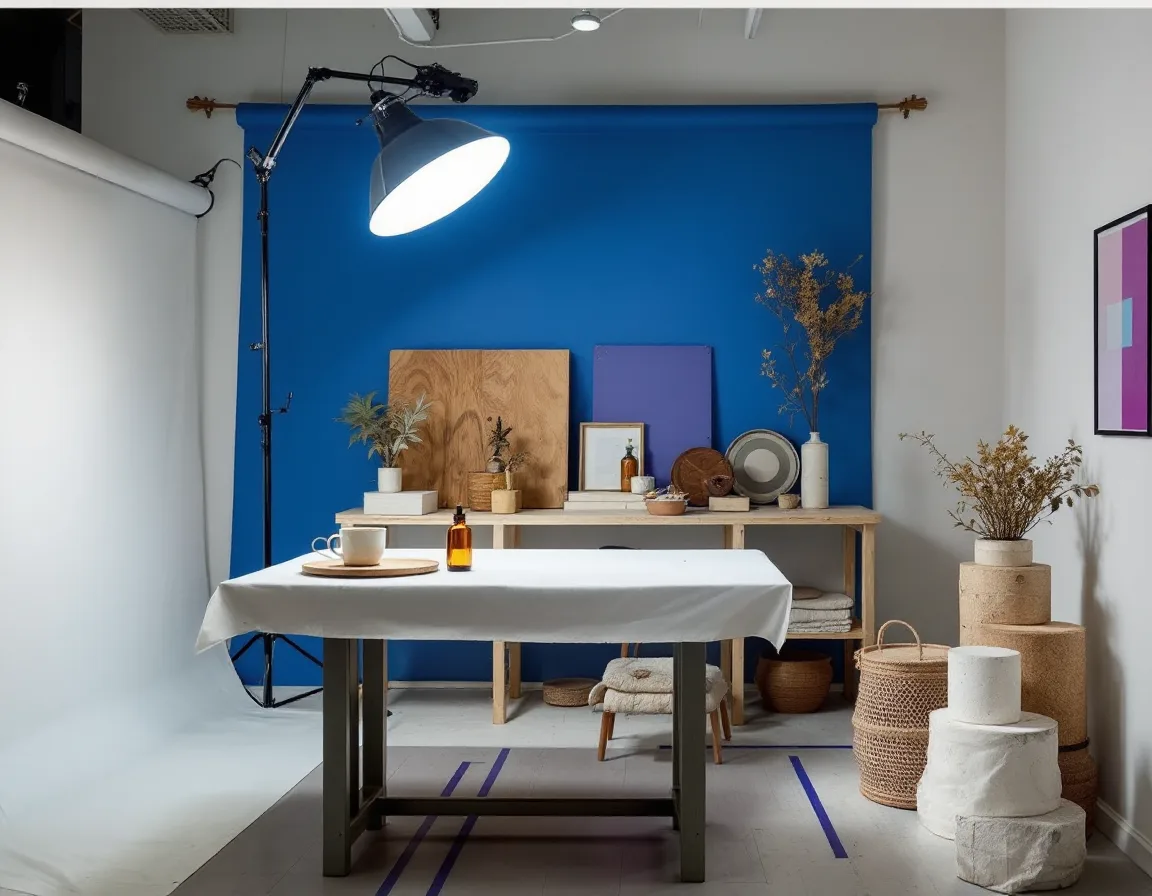
The Letterpress & Lantern studio: a white paper sweep on a long table, a lantern-globe strobe on a boom, and a wooden prop shelf of linen, stone tiles and dried botanicals under violet-washed walls.
Fig. A — The room: one sweep, one lantern, one prop shelf. 401 Post Avenue.

Letterpress & Lantern is a one-room product studio in Lyndhurst built for the stuff makers actually make — speckled mugs that eat light, cold-process bars that crumble if you breathe on them, amber droppers that mirror every lamp in the room.

You ship the box. We light it, shoot it, and color-check every frame against the real piece on the table. Back come 20–60 images, cropped for Etsy, Shopify and the feed, named by SKU. No apparel racks, no 400-item catalog days — the whole room is tuned for small-batch.

Who’s usually on the table
  • Etsy shops
  • Wheel-thrown ceramics
  • Cold-process soap
  • Indie serums & balms

Your shot list gets written around your SKUs before you’ve even taped the box shut.

About 02 · The name, decoded

Two L’s, one method

It isn’t a vibe name. Each half is a rule the studio actually runs on — one for how your piece gets lit, one for how every frame gets checked before it reaches you.

Lantern · how it’s lit

One light, on purpose

Nearly every set starts with a single key light, placed like a lantern on a table — then gets only what your product asks for. A bounce card for a soap bar’s shadow side. A black flag to kill the hotspot on a glossy glaze. Less light, placed better, is why your shop grid reads as one shoot instead of twelve.

  • Key placed first, every set
  • Bounce cards + flags before a second light
  • Light position logged for next season’s reshoot
Letterpress · how it’s checked

Checked like a proof

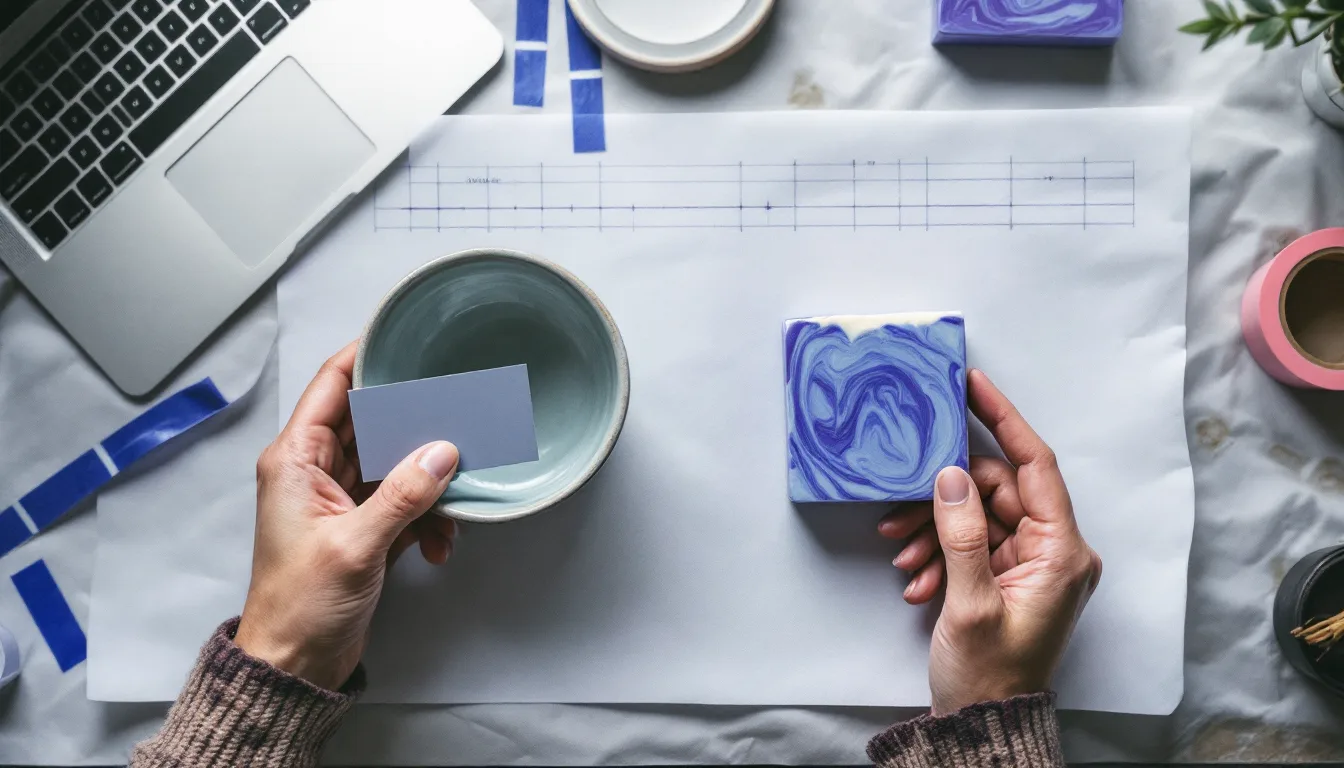
Printers used to pull a proof and hold it next to the original before running a single sheet. Same energy, just with pixels: every frame sits beside your actual mug, bar or bottle, and the color gets nudged until screen and table agree. Your celadon stays celadon.

  • Reference card shot at the top of every set
  • Label text checked for crisp, readable edges
  • Dust, seams, fingerprints — cleaned out

About 03 · What’s actually in the room

The studio, itemised

No secret kit, no mood-board mystery. This is what your products meet the minute the box gets opened on Post Avenue — and why each piece is there.

See what each package uses
Studio equipment and what it does for your products
ItemSpecWhy your product cares
Key lightOne hard strobe in a lantern-style globeCrisp, believable shadows that still read as daylight at thumbnail size.
Glass100mm macroGlaze drips, soap swirls and dropper texture without bendy edges.
SweepsWhite, bone, violet, matte blackWhite for marketplace rules; the rest for lifestyle sets matched to your palette.
Prop shelfLinen offcuts, travertine, dried botanicals, wood risersContext that frames the piece without stealing the scroll.
Color checkReference card, top of every setSo what buyers see on screen is what lands on their doorstep.
Exports2000 px squares + 4:5 crops, SKU-namedDrag straight into Etsy and Shopify. Zero renaming marathons.

About 04 · House rules

Taped to the studio wall

Six rules, written in marker, stuck above the sweep. They’re the reason your box comes back the way it does.

  1. Shoot the object, not the preset

    Filters are for selfies. Your glaze gets matched to the real piece, frame by frame, until the screen stops arguing with the table.

  2. Unbox on camera, day one

    The day your box lands, you get a contents photo by email — so you know everything made it, or exactly what didn’t.

  3. Your file names, not ours

    Every export is named by your SKU. IMG_4471 never makes it anywhere near your inbox.

  4. One revision round, every package

    Color, crop, cleanup — flag it on the proof gallery and it gets fixed before anything goes final. Flat-Lay Run included.

  5. Write it down for next season

    Light positions, props and crops get logged in your shot list, so your spring drop lines up with this fall’s grid.

  6. Pack it home like it’s ours

    Your pieces go back in the padding they arrived in — on your prepaid label, or insured return quoted at cost.

About 05 · A week on Post Avenue

Seven days on the table

Here’s what your box is up to while you’re back at the wheel, the pour room or the packing table. Day one is the day it lands; day seven, your proofs go live.

Overhead view of a hand holding a color reference card next to a celadon cup and a swirled violet soap bar on white paper, with a laptop proof gallery blurred at the edge.
  1. Day1Box lands

    Opened, contents photographed, a note in your inbox before dinner.

  2. Day2Color check

    Reference card, test frames, a gut-check against your inspo images.

  3. Day3White sweep

    E-comm frames: every SKU, every colorway, every angle on the list.

  4. Day4Sets + macros

    Lifestyle sets built to your palette, plus glaze and swirl close-ups.

  5. Day5The cull

    Hundreds of frames in, only the keepers move on to retouch.

  6. Day6Retouch

    Dust and seams out; color nudged until it matches the piece.

  7. Day7Proofs live

    Your private gallery opens. Comment frame by frame.

Full Launch runs on a 5-day window. Need it faster? Rush gets your proofs in 4 days for +$140.

Put your box on the calendar

About 06 · Your move

Your box could be on this table next week

Fifteen minutes, your SKU count, a rough launch date. That’s the whole call — your written shot list and packing slip follow within 48 hours. Packages run $350 to $1,400, on one invoice.

Book a shot call